
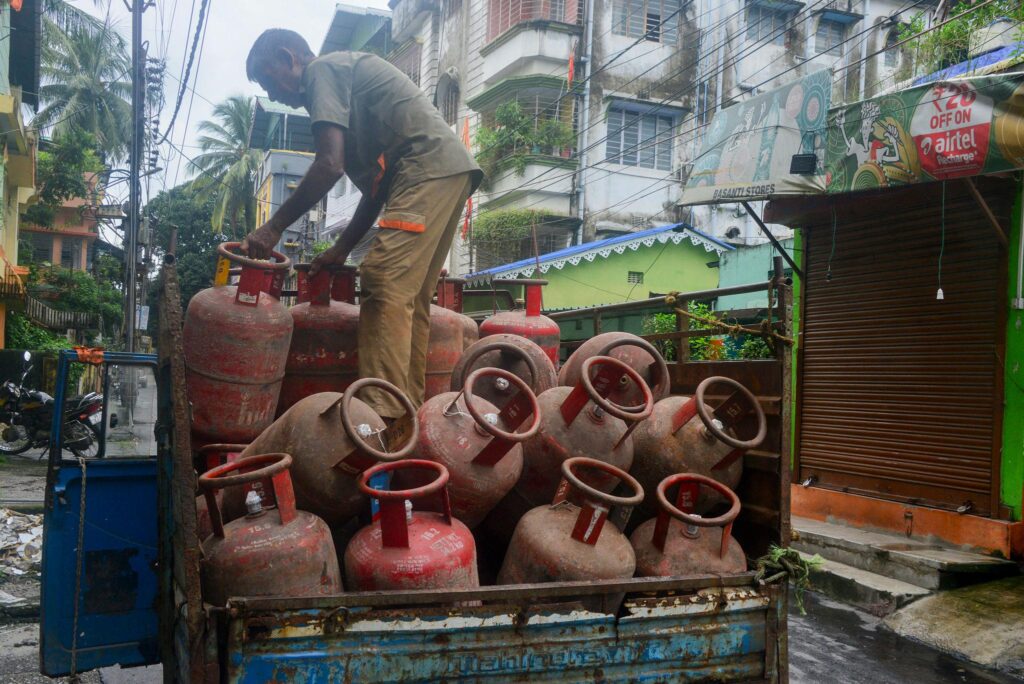
India is beginning to see growing concerns around the availability of LPG cylinders as global geopolitical tensions create uncertainty in energy supply chains. In recent weeks, reports from different parts of the country have highlighted delays in LPG deliveries, rising prices for commercial cylinders, and operational challenges for restaurants and small food businesses.
While government officials have reassured the public that domestic supplies remain stable, the impact of international developments on fuel markets has started to create anxiety among consumers and businesses alike.
Liquefied Petroleum Gas (LPG) plays a crucial role in the daily lives of millions of Indian households. From cooking meals at home to powering restaurant kitchens and small businesses, LPG is one of the most widely used fuel sources across the country. Because India imports a large portion of its LPG requirements, global conflicts and disruptions can quickly affect domestic supply chains.
As tensions rise in the Middle East, experts are warning that the situation may lead to temporary shortages, delivery delays, and increased fuel prices in several regions.
Why Global Conflict Affects LPG Supply
The recent concerns surrounding LPG availability are closely linked to geopolitical tensions in the Middle East. The region is one of the world’s largest producers of crude oil and natural gas, and it plays a vital role in supplying energy to many countries, including India.
One of the most critical points in global energy transportation is the Strait of Hormuz. This narrow maritime passage connects the Persian Gulf with international shipping routes and is used by tankers carrying oil and gas to markets around the world.
A significant percentage of global energy shipments pass through this route every day. When geopolitical tensions escalate in this region, shipping routes can become unstable or restricted. Even the possibility of disruption can affect fuel supply chains and cause energy prices to rise.
India relies heavily on imports from Gulf countries such as Saudi Arabia, Qatar, and the United Arab Emirates. As a result, any disturbance in the region can have a ripple effect on India’s energy availability and pricing.
Energy analysts say that even small disruptions in shipping schedules or refinery operations can create short-term shortages in local markets.
Restaurants and Small Businesses Facing Difficulties
One of the sectors most affected by the situation is the hospitality and food service industry. Restaurants, roadside eateries, bakeries, and catering services depend heavily on commercial LPG cylinders to run their kitchens.
Unlike households, which may use one or two cylinders per month, restaurants often require multiple cylinders every week. If supplies are delayed, it can directly impact their ability to operate.
Several restaurant owners in major cities have already reported delays in receiving commercial cylinders. In some cases, businesses have had to adjust their operations by reducing menu items or switching to cooking methods that require less gas.
Street food vendors and small eateries are particularly vulnerable because they operate with limited margins. A sudden increase in fuel costs can significantly affect their daily profits.
Some vendors have started experimenting with electric cooking equipment or coal-based stoves as temporary alternatives. However, these solutions are not always practical or affordable, especially for businesses that depend on high-speed cooking during peak hours.
Panic Buying and Increased Demand
Another factor contributing to supply pressure is panic buying. Whenever news about possible shortages spreads, many consumers rush to book LPG cylinders in advance to avoid running out of fuel.
This surge in bookings can overwhelm supply systems and create longer waiting periods for deliveries. In several cities, customers have reported that cylinder delivery times have increased compared to normal conditions.
Gas agencies and distributors say that while supply has not completely stopped, the sudden increase in demand has created logistical challenges.
Authorities have urged people not to panic or stockpile cylinders unnecessarily. They have emphasized that panic buying can worsen temporary shortages and disrupt normal distribution.
Government Measures to Stabilize Supply
To manage the situation and ensure that households continue to receive LPG cylinders, the government and oil companies are taking several precautionary measures.
One of the primary steps being considered is prioritizing domestic LPG supply over commercial usage if the situation becomes more serious. Household cooking gas is considered essential, and authorities aim to ensure that families do not face disruptions in their daily needs.
Refineries and gas processing facilities are also being asked to increase domestic production wherever possible. By boosting local output, the country can reduce its dependence on imports during periods of global instability.
Additionally, the government is exploring alternative import routes and supplier countries to diversify LPG sources. Expanding supply partnerships with other energy-producing nations can help reduce risks associated with relying on a single region.
Law enforcement agencies in some cities have also started monitoring LPG distribution centers more closely. This step is intended to prevent hoarding, illegal resale, or black-market trading of cylinders during times of uncertainty.
Rising LPG Prices Add to Consumer Concerns
Apart from supply delays, another major concern for consumers is the rising price of LPG cylinders. Global crude oil prices often influence LPG pricing, and geopolitical tensions usually push energy prices upward.
When crude oil prices increase, transportation and refining costs also rise. This eventually reflects in the retail price of LPG cylinders.
For many Indian households, cooking gas is already a significant monthly expense. Any increase in price can affect household budgets, particularly for families in lower and middle-income groups.
Commercial LPG users face even greater challenges because they purchase cylinders at higher market rates. Restaurants and catering services must absorb these costs or pass them on to customers through increased food prices.
If the current situation continues for an extended period, it could contribute to inflation in the food and hospitality sectors.
The Importance of Energy Security
The current LPG supply concerns highlight the broader issue of energy security for countries that depend heavily on imported fuel.
India has been actively working to diversify its energy sources and reduce dependence on imports. Initiatives promoting renewable energy, electric cooking appliances, and alternative fuels are part of this long-term strategy.
Programs encouraging the use of solar energy and electric induction stoves are also gaining attention as possible solutions for reducing reliance on LPG in the future.
However, transitioning to alternative energy sources takes time. In the short term, LPG remains a critical fuel for millions of households and businesses.
Strengthening storage capacity, diversifying import partners, and investing in domestic production will be key steps in improving India’s resilience against global energy disruptions.
What Consumers Should Do
While the situation continues to evolve, experts recommend that consumers remain calm and avoid panic buying.
Booking LPG cylinders according to normal usage patterns can help ensure that distribution systems function smoothly. Households can also practice fuel efficiency by using cooking gas carefully and avoiding unnecessary wastage.
Simple habits such as using pressure cookers, covering utensils while cooking, and maintaining proper burner efficiency can help reduce LPG consumption.
Restaurants and businesses can also explore temporary efficiency measures to manage fuel usage during uncertain periods.
Looking Ahead
The future of LPG supply in India will largely depend on how global geopolitical tensions unfold in the coming weeks. If international shipping routes stabilize and fuel markets return to normal conditions, supply disruptions may ease quickly.
However, prolonged instability in key energy-producing regions could continue to affect fuel availability and pricing worldwide.
For now, government agencies, energy companies, and distributors are closely monitoring the situation. Their priority remains ensuring that essential LPG supply continues without major disruptions for households across the country.
As India navigates these global challenges, strengthening energy security and diversifying fuel sources will become increasingly important.